
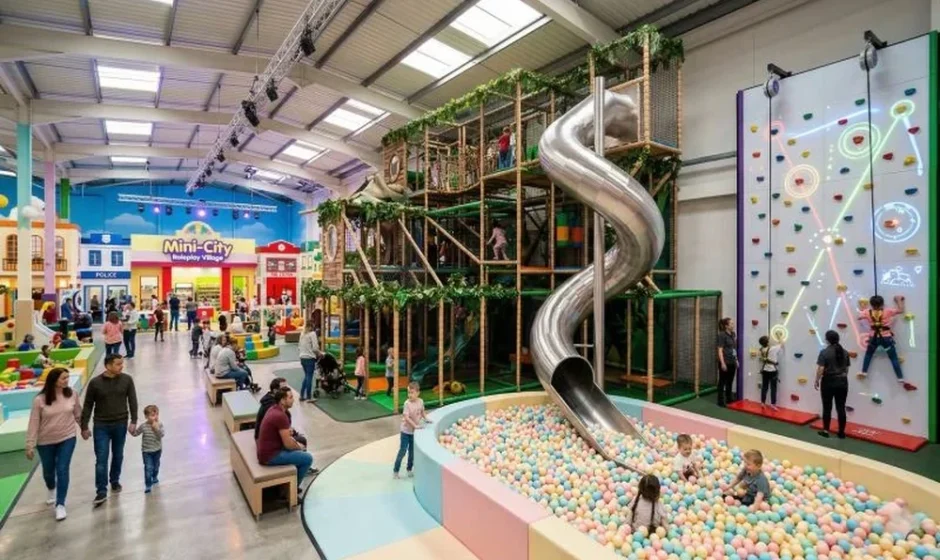

Children thrive when their worlds burst with color, challenge, and opportunity. Yet, as playgrounds move indoors to suit changing climates and lifestyles, the question surfaces: How do you craft spaces that stimulate both the imagination and the body, without letting one overshadow the other?
The Challenge of Balancing Creativity and Physical Play Indoors
Modern families, urban planners, and educators increasingly recognize indoor playgrounds as essential for healthy child development. With outdoor play often hampered by weather or limited space, indoor environments need to work even harder to engage children fully. The secret is balance, but achieving it is anything but simple.
The Growing Importance of Indoor Playgrounds in Modern Spaces
Workplaces, shopping centers, and residential complexes are turning to indoor play areas as family-friendly amenities. Parents want assurance that these spaces not only keep their children safe but also deliver robust developmental benefits. This growing trend places pressure on designers to build experiences that go beyond just a place to expend energy.
Understanding the Needs of Diverse Age Groups
Play should feel accessible and meaningful whether a child is eighteen months or twelve years old. Young toddlers need safe spots to crawl, climb, and explore, while older kids crave bigger challenges and opportunities for creativity. A single design rarely suits everyone, making thoughtful zoning and equipment selection essential.
Common Pitfalls: Overemphasis on Either Physical or Creative Elements
Some playgrounds focus so heavily on slides and climbing frames that they overlook the power of imaginative play. Others create stunning fantasy worlds, but lack enough physical challenges to build strength or coordination. When either side dominates, children may lose interest or fail to develop important skills.
How Creativity Enhances Child Development in Indoor Play Areas
A child steps into a play zone themed as a space station and suddenly, learning and exploration take flight. Imaginative play sparks curiosity, problem solving, and emotional growth.
Stimulating Cognitive Growth Through Imaginative Play Zones
When children invent scenarios, be it running a store, piloting a spaceship, or staging a puppet show, they build language, planning, and social negotiation skills. Interactive murals and themed environments transform ordinary play into rich narratives.
Role of Interactive Panels and Themed Play Spaces
Touch-activated panels that light up or make sounds encourage cause-and-effect learning. Themed nooks (like castles or fire stations) invite roleplay, helping children test boundaries and express themselves.
Encouraging Confidence and Social Skills Through Creative Interaction
Pretend play is more than fun; it fosters empathy and teamwork. Collaborative games or shared stories help even shy children find their voice in the group.
Physical Play: Building Strength, Coordination, and Motor Skills
While whimsical spaces excite the mind, active play forms the foundation of healthy bodies.
Benefits of Climbing Structures, Slides, and Active Zones
Climbing walls, multi-level towers, and twisting slides all fuel physical development. These activities build muscles, enhance balance, and refine motor skills essential for everyday tasks.
Designing for Safety Without Compromising Activity Levels
Play should be exhilarating, not anxiety-inducing. Well-designed padding, sturdy handholds, and clear sightlines empower children to push their limits in a secure environment. Age-appropriate challenges keep play safe and rewarding.
Adapting Physical Challenges to Different Ages and Abilities
Modular play equipment allows for growth and flexibility. Adjustable obstacles and graduated difficulty levels mean that every child, whether cautious or fearless, finds something engaging.
Integrating Creativity and Physicality: Design Principles for Modern Indoor Playgrounds
Truly exceptional playgrounds find ways for creative expression and active play to feed off each other.
Customizable Elements That Foster Both Movement and Imagination
Features like climbing walls painted as mountain ranges or tunnels shaped like ocean waves blend the physical with the imaginative. The goal is to keep children moving, thinking, and dreaming in the same space.
Creating Zones That Seamlessly Blend Active and Creative Play
Rather than separating “creative” and “physical” corners, modern designs weave interactive panels into climbing frames or place reading nooks beside obstacle courses. This layout encourages kids to transition fluidly between different types of play.
Material and Layout Considerations for Versatility and Engagement
High-durability, vibrant materials invite frequent use. Open layouts with multiple sightlines keep children visible and safe while offering opportunities for group play and solitary discovery.
Overcoming Space Constraints: Solutions for Small to Large Indoor Play Areas
Not every building can house a playground the size of a gymnasium. Even compact areas can deliver impactful experiences with thoughtful design.
Optimizing Medium and Small Play Areas for Balanced Experiences
Prioritize multi-use features, climbing surfaces that double as chalkboards, or slides with tactile panels alongside. Smart zoning prevents crowding and maximizes engagement.
Modular and Scalable Equipment Options
Systems like Inspire Play indoor playgrounds provide modular components, allowing for customization to fit any space or age group. This adaptability means that as needs change, the playground can evolve rather than become obsolete.
Case Studies: Successful Indoor Play Installations in Various Settings
Community centers, science museums, and even residential buildings in Ontario have incorporated flexible, imaginative play zones that delight a range of users, proving that size is less important than thoughtful design.
Actionable Steps for Implementing Balanced Indoor Play Environments
A balanced playground starts with clear goals and careful planning.
– Assess the needs and ages of the children who will use the space.
– Set developmental goals: Are you aiming for socialization, physical challenge, creativity, or all three?
– Select and customize equipment that supports these goals and fits your layout.
– Build in flexibility for future updates and maintenance routines to ensure ongoing safety.
Measuring Success: Evaluating the Impact of Balanced Play on Children
Success goes beyond happy faces, though that’s a good start. Track how children use the space, noting which features see the most engagement. Solicit feedback from parents, educators, and the children themselves. Review developmental milestones and adjust the playground based on what works and what can be improved.
The best indoor playgrounds are never “finished”, they grow with their communities, continually balancing creativity with the joy of movement.