
An indoor farming course provides structured training on growing crops in controlled environments using modern agricultural technologies. It introduces learners to systems such as hydroponics, vertical farming, and climate-controlled cultivation, which are increasingly relevant in land-scarce countries like Singapore.
These courses focus on practical knowledge, including environmental control, nutrient management, and crop optimisation, enabling individuals to understand how food production can be done efficiently indoors. For beginners, this serves as a foundational step towards entering urban agriculture or sustainability-focused industries.
What Is Indoor Farming and Controlled Environment Agriculture (CEA)?
Indoor farming refers to the cultivation of crops within enclosed environments where external conditions are managed artificially. Controlled Environment Agriculture (CEA) is the broader concept that includes technologies and systems used to regulate temperature, humidity, light, and nutrients.
CEA allows consistent crop production regardless of weather conditions. In Singapore, where arable land is limited, CEA supports food resilience by enabling local production in vertical farms, greenhouses, and indoor facilities.
Indoor farming typically involves the use of data-driven systems and automation, ensuring precise control over plant growth factors and reducing resource wastage.
What an Indoor Farming Course Typically Covers
An indoor farming course is designed to provide both theoretical understanding and practical exposure to modern farming systems. The curriculum usually focuses on core techniques and operational processes used in CEA environments.
The following topics are commonly included to build foundational knowledge:
- Hydroponics systems and nutrient solutions
- Vertical farming structures and layouts
- Environmental control systems (lighting, temperature, humidity)
- Crop selection and growth cycles
- Pest management in controlled environments
- Basic data monitoring and automation tools
These components help learners understand how indoor farms operate and how to maintain consistent crop quality.
Key Learning Areas in Indoor Farming Training
Indoor farming training focuses on specific technical areas that are essential for managing controlled agriculture systems. Each area builds practical competence for real-world application.
Hydroponics and Soilless Cultivation
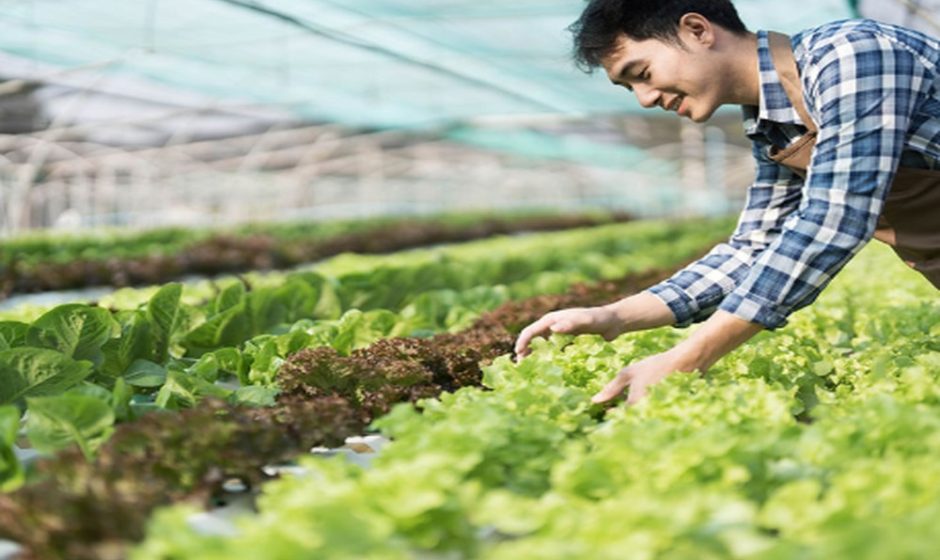
Hydroponics is a method of growing plants without soil by using nutrient-rich water solutions. It allows precise nutrient delivery and reduces water consumption compared to traditional farming.
Learners are introduced to different hydroponic systems, including nutrient film technique (NFT), deep water culture (DWC), and drip systems. Understanding these systems helps in selecting appropriate setups for different crop types.
Vertical Farming Systems
Vertical farming involves growing crops in stacked layers within indoor spaces. This method maximises space efficiency and is widely used in urban agriculture.
Courses explain structural design, lighting placement, and airflow management to ensure uniform plant growth. In Singapore, vertical farming is a key solution to land constraints.
Environmental Control and Monitoring
Environmental control refers to managing variables such as light intensity, temperature, humidity, and carbon dioxide levels. These factors directly influence plant growth and yield.
Learners are trained to use sensors and control systems to maintain optimal growing conditions. This includes understanding how to adjust variables based on crop requirements.
Crop Management and Growth Cycles
Crop management involves selecting suitable crops and managing their growth stages from germination to harvest. Different crops require different environmental conditions and nutrient levels.
Training includes understanding planting schedules, harvesting cycles, and yield optimisation. This ensures efficient production planning within indoor systems.
Why Indoor Farming Is Relevant in Singapore
Indoor farming is relevant in Singapore due to limited agricultural land and a strong focus on food security. The country has set targets to increase local food production, making urban farming an important sector.
Controlled farming methods enable year-round production and reduce dependency on imports. Indoor farming also aligns with sustainability goals by using less water and reducing transportation-related emissions.
Training in this field supports workforce development for emerging roles in agri-tech, sustainability, and food innovation.
Who Should Take an Indoor Farming Course?
An indoor farming course is suitable for individuals interested in agriculture, sustainability, or technology-driven food production. It is designed for both beginners and those looking to transition into agri-related roles.
The following groups may benefit from structured training:
- Individuals exploring careers in urban farming or agri-tech
- Professionals seeking skills in sustainable food production
- Entrepreneurs interested in starting indoor farming ventures
- Students studying environmental science or agriculture
These courses provide foundational knowledge that can be applied across various sectors.
Skills Gained from Indoor Farming Training
Indoor farming training equips learners with practical and technical skills relevant to controlled agriculture systems. These skills are transferable across different indoor farming setups.
Learners typically develop the following competencies:
- Understanding of hydroponic and vertical farming systems
- Ability to monitor and adjust environmental conditions
- Knowledge of crop growth requirements and cycles
- Basic troubleshooting of system issues
- Familiarity with data-driven farming tools
These skills support entry-level roles and further specialisation in the field.
Typical Structure of an Indoor Farming Course
Indoor farming courses are usually structured to combine classroom learning with hands-on practice. This approach ensures that learners can apply theoretical knowledge in real-world scenarios.
A standard course structure may include the following stages:
- Introduction to indoor farming concepts and CEA principles
- Technical training on systems such as hydroponics and lighting
- Practical sessions involving setup and maintenance
- Assessment or project-based evaluation
This structure helps learners build confidence in handling indoor farming operations.
Indoor Farming Technologies Used in Training
Indoor farming relies on various technologies that support efficient crop production. Courses introduce learners to these tools and their practical applications.
Common technologies covered include:
- LED grow lighting systems for plant development
- Automated irrigation and nutrient delivery systems
- Climate control systems for temperature and humidity regulation
- Sensors and monitoring software for data tracking
Understanding these technologies is essential for operating modern indoor farms.
Career Opportunities in Indoor Farming
Indoor farming creates opportunities across agriculture, technology, and sustainability sectors. As urban farming expands, demand for skilled individuals continues to grow.
Potential career paths include roles such as farm technicians, crop specialists, and operations managers. There are also opportunities in research, product development, and agri-tech innovation.
In Singapore, indoor farming supports national goals for food resilience, creating long-term career prospects in this industry.
How to Choose the Right Indoor Farming Course
Choosing an indoor farming course involves evaluating content, learning outcomes, and practical exposure. A well-structured course should provide both foundational knowledge and hands-on experience.
When selecting a course, consider the following factors:
- Coverage of CEA techniques and systems
- Availability of practical training sessions
- Alignment with industry practices in Singapore
- Certification or recognised training standards
These considerations help ensure that the course meets learning objectives and industry expectations.
Common Challenges in Indoor Farming
Indoor farming involves technical and operational challenges that require careful management. Understanding these challenges is important for effective implementation.
Some common issues include maintaining consistent environmental conditions, managing system costs, and preventing crop diseases. Technical knowledge and monitoring systems are essential to address these challenges.
Training helps learners identify and manage these risks effectively.
FAQ
What is an indoor farming course?
An indoor farming course is a training programme that teaches how to grow crops in controlled environments using technologies such as hydroponics and vertical farming. It combines theory and practical learning.
Do I need prior experience to join an indoor farming course?
Most beginner courses do not require prior experience. They are designed to introduce fundamental concepts and gradually build technical knowledge.
What is controlled environment agriculture?
Controlled Environment Agriculture refers to farming systems where environmental conditions such as light, temperature, and nutrients are regulated to optimise crop growth.
Can indoor farming be done in Singapore?
Indoor farming is widely practised in Singapore due to limited land availability. It supports local food production and aligns with sustainability initiatives.
What skills can I gain from indoor farming training?
Learners gain skills in hydroponics, environmental monitoring, crop management, and basic system troubleshooting. These skills are applicable in modern farming environments.
Bringing It All Together
An indoor farming course provides structured knowledge on modern agricultural techniques used in controlled environments. It introduces key concepts such as hydroponics, vertical farming, and environmental control systems, which are essential for urban agriculture.
For individuals in Singapore, this type of training supports participation in a growing sector focused on food sustainability and innovation. Understanding indoor farming methods enables efficient crop production within limited spaces.
For those looking to better understand indoor farming systems and how controlled environment agriculture can be applied in practical settings, it may be useful to enquire about structured training programmes that align with current industry practices in Singapore.